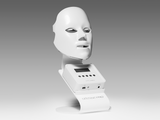
How LED Light Therapy Can Slow Down the Signs of Aging: A Natural Solution

9 April 2026 1 min read
Déesse PRO Editorial Team

The Déesse PRO editorial team shares practical guidance on getting the most from professional LED light therapy at home.

Aging is inevitable. However, visible aging doesn't have to be. Over time, our skin's natural biological processes slow down. This gradual decline affects collagen production, cell turnover and overall skin resilience, leading to fine lines, wrinkles, and a loss of firmness.

But what if LED light therapy could stimulate your skin's natural renewal process at the cellular level? Your skin is a dynamic ecosystem, with cells constantly dividing, repairing, and communicating. LED light therapy supports this natural process by using specific wavelengths that gently penetrate the skin and interact with the tiny powerhouses inside your cells, helping them function more efficiently.

Understanding the Common Signs of Aging: Common signs and changes include Fine Lines and Wrinkles, Loss of Firmness and Elasticity, Changes in Skin Texture and Hydration, Uneven Skin Tone and Dullness.

What Is LED Light Therapy and How Does It Work for Anti-Aging? LED light therapy is a non-invasive skincare treatment that uses specific wavelengths of light to rejuvenate the skin from within. Red (630nm) and Near-Infrared (830nm) wavelengths penetrate deep into the dermis, where they stimulate the mitochondria within fibroblast cells. This activation increases the natural production of collagen, elastin, and hyaluronic acid. LED light therapy offers a natural, clinically proven, non-invasive alternative to harsh treatments like chemical peels or injectables.

While individual results vary we recommend incorporating 10 minutes of PRO by Déesse PRO Mode 1: Rejuvenating 2-3 times per week.

This article is for general guidance and is not a substitute for professional advice.

Not sure where to start?

Find your light

Stay in the loop

Join the list

Be first to hear about new devices and skin guidance.