01Flagship

برو من دييس برو
QAR 7.156,00
تم توجيهك إلى متجرنا في هل هذا صحيح؟

The Déesse PRO editorial team shares practical guidance on getting the most from professional LED light therapy at home.
LED masks have gone from a professional clinic staple to something you can use at home every few days.
The way you build your routine around one makes a significant difference to what you actually get out of it.
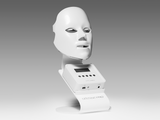
The Déesse PRO LED Mask works best when it has clean, prepped skin to work with and good skincare layered on afterwards. Here is how to structure that.

LED light needs an unobstructed path to the skin. Makeup residue, SPF and daily pollution sit in a film on the surface and scatter the light before it reaches the dermis. A proper double cleanse takes two minutes and means you are not wasting your session.
Dead skin cells also reduce how effectively light and active ingredients absorb, so a mild chemical exfoliant two or three evenings a week keeps the surface clear. Do this before your session, not after. You want the skin smooth and slightly stimulated going in.

Use the Déesse PRO LED Mask on clean, dry skin. Sessions run 10 to 20 minutes, and three to five times per week is the sweet spot for most people. It is enough to build cumulative results, without chasing diminishing returns.
Choose your wavelength based on what your skin actually needs that week. The PRO gives you the full spectrum, and rotating through the lights across the week tends to produce better overall results than sticking rigidly to one.

LED therapy temporarily increases the skin's receptiveness to topical actives. The ten minutes immediately after your session are genuinely worth capitalising on. Hyaluronic acid goes on first, drawing moisture into the surface cells while they are most responsive, followed by a moisturiser suited to your skin type to seal everything in.
SPF every morning matters here specifically, because some wavelengths can make skin temporarily more sensitive to UV. The most common reason people do not see results is inconsistency, so build the routine into evenings you are already home and winding down.
The changes accumulate at the cellular level, and they keep building with regular input. Remove the effort from the equation and consistency takes care of itself.
This article is for general guidance and is not a substitute for professional advice.
From the flagship PRO to the travel-ready Express.
QAR 7.156,00

QAR 1.486,00

QAR 2.480,00

QAR 746,00
The PRO gives you the full spectrum of clinical wavelengths to rotate through the week.
Be first to hear about new devices and skin guidance.


