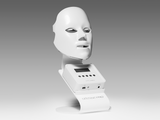
Calm Inflammation & Redness with LED Light Therapy
Redness, sensitivity, and visible irritation are common skin concerns that can appear similar and often overlap. Factors such as hormones, diet, stress, or environmental exposure can sometimes make these effects more noticeable. Temporary redness may appear after sun exposure, skincare products, or environmental triggers, affecting the overall look of the skin. Facial redness and sensitivity can be a persistent cosmetic concern, making the skin appear uneven or less radiant. Using a safe, non invasive LED light solution can help the skin look calmer, smoother, and more balanced, supporting a more even looking complexion as part of a regular skincare routine.
- Calmer, more balanced-looking complexion
- Reduced visible redness and irritation
- Comforted, soothed skin appearance
- Healthier-looking skin tone and texture

Power of Light
Rooted in centuries of science and innovation, LED Light Therapy is a clinically proven treatment that uses targeted wavelengths of light to energise skin at a cellular level. By delivering precise light energy into different layers of the skin, this advanced technology activates key cellular processes that support healing, boost collagen production, and improve overall skin health.
Backed by decades of global research, LED therapy has evolved into a powerful, non-invasive solution within the aesthetics industry. Different light wavelengths are used to address specific concerns, from calming inflammation and accelerating wound healing to enhancing skin tone and texture. Today, LED Light Therapy is one of the most sought-after aesthetic treatments, delivering effective results both as a standalone solution and in combination with other cosmetic procedures.

Overview
What is it?
Common Triggers
Who does it affect?
Recognise the Signs
When to seek help
If you have any existing skin conditions, concerns about changes in your skin, or are unsure whether a treatment is suitable for you, we recommend seeking advice from a qualified healthcare professional or dermatologist before starting use.
How LED Light Therapy Helps
Helps improve the appearance of redness
Helps skin look clearer and more balanced
Promotes even appearance and smoothness
The science behind it
- Non invasive and gentle, suitable for most skin types with minimal side effects.
- Helps improve the appearance of redness and supports smoother, more even looking skin.
- Helps the skin look clearer, more balanced, and refreshed.
- Promotes the skin's even appearance, smoothness, and resilience.
- Convenient and easy to use, designed for regular use as part of a skincare routine.

The Evidence


Results vary between individuals. Improvement in redness and sensitivity typically becomes noticeable after 4-6 weeks of consistent use. Lifestyle factors and trigger avoidance also influence outcomes.
Research & References
- Mechanisms and Applications of the Anti-Inflammatory Effects of Photobiomodulation (2017)AIMS Biophysics
- Light-Based Therapies in the Management of Rosacea: A Systematic Review with Meta-Analysis (2022)International Journal of Dermatology
- Coupled Blue and Red Light-Emitting Diodes Therapy Efficacy in Patients with Rosacea: Two Case Reports (2020)Journal of Medical Case Reports
- Effects of Photobiomodulation Therapy with Red LED on Inflammatory Cells During the Healing of Skin Burns (2022)Lasers in Medical Science
- Phototherapy with Light Emitting Diodes: Treating a Broad Range of Medical and Aesthetic Conditions in Dermatology (2018)Journal of Clinical and Aesthetic Dermatology
Best treatment for Inflammation & Redness


Your Recommended Routine
Your Journey to Results

LED light therapy can help:
- Support the appearance of clearer, smoother looking skin
- Reduce the visible look of redness and uneven texture
- Promote a healthier looking complexion
- Enhance overall skin radiance and wellbeing
Frequently Asked Questions
Safety Information
- LED light therapy is a cosmetic treatment and is not intended to diagnose, treat, cure, or prevent any disease.
- If you are pregnant, nursing, or have a medical condition, consult your healthcare provider before use.
- Avoid use if you have a history of photosensitivity or are taking photosensitizing medications.
- Do not use if you have epilepsy or are prone to seizures.
- Individual results may vary. Consistency is key for best results.
- If you have active skin infections or open wounds, wait until healed before using LED therapy
- Those with photosensitive conditions such as lupus should consult their doctor before use