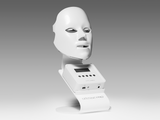
We recommend PRO by Déesse PRO as the most effective device in our portfolio for blemish prone skin. Here's how to build it into your routine.
Clear Blemish Prone Skin with LED Light Therapy
Blemishes can persist when pores become clogged with excess sebum, dead skin cells and debris, contributing to the look of inflamed skin. While mild blemishes often appear as blackheads or whiteheads, more noticeable blemishes may appear as deeper spots or nodules. Factors such as hormones, certain cosmetics, medications, smoking and diet can make blemishes more visible by stimulating the skin's sebaceous activity. Imagine a safe, non invasive light based solution designed to help improve the appearance of blemishes, support skin clarity and promote smoother looking skin.
- Visibly clearer, less congested skin
- Reduced blemish severity and frequency
- Calmer, less inflamed complexion
- Improved skin confidence and texture

Overview
What is it?
Common Triggers
Who does it affect?
Recognise the Signs
When to seek help
If you have any existing skin conditions, concerns about changes in your skin, or are unsure whether a treatment is suitable for you, we recommend seeking advice from a qualified healthcare professional or dermatologist before starting use.

The ritual
Light, made personal.
A few minutes, a few times a week. Pair the right device and mode with your concern, and make it a moment that is entirely yours.
- Non-invasive and pain-free, for all skin types and tones
- Guided modes for every concern
- Professional technology, used at home
How LED Light Therapy Helps
Helps improve the appearance of blemish prone skin
The science behind it
- Non invasive and gentle, suitable for most skin types with minimal side effects.
- Supports clearer looking skin, helps improve the appearance of blemish prone areas.
- Enhances skin texture and radiance, promotes smoother, more even looking skin.
- Helps reduce the visible look of redness and uneven tone, supports a healthier looking complexion.
- Convenient and easy to use, designed for regular use as part of a skincare routine.

The Evidence


Results vary between individuals. Images show typical results after 8 weeks of consistent use. Individual results depend on skin type, lifestyle factors, and consistency of use.
Research & References
- Blue Light Phototherapy in the Treatment of Acne (2019)Journal of Dermatological Treatment
- LED Light Therapy for Skin: A Systematic Review (2021)Dermatology Research and Practice
- Blue Light for Acne Vulgaris: A Systematic Review and Meta-Analysis (2019)Journal of the American Academy of Dermatology
- Phototherapy with Blue (415nm) and Red (660nm) Light for Moderate Acne Vulgaris (2005)British Journal of Dermatology
- Light-Emitting Diode Phototherapy in Dermatological Practice (2022)Indian Dermatology Online Journal
Your Recommended Routine
Your Journey to Results

LED light therapy can help:
- Support the appearance of clearer, smoother looking skin
- Reduce the visible look of redness and uneven texture
- Promote a healthier looking complexion
- Enhance overall skin radiance and wellbeing

Not sure which device?
The SkinWellness Consult
Find Your Frequency. Answer a few quick questions and we'll match you with the right Déesse PRO device and mode.
Begin the consultTakes 2 minutes · Personalised to your skin
Frequently Asked Questions
Safety Information
- LED light therapy is a cosmetic treatment and is not intended to diagnose, treat, cure, or prevent any disease.
- If you are pregnant, nursing, or have a medical condition, consult your healthcare provider before use.
- Avoid use if you have a history of photosensitivity or are taking photosensitizing medications.
- Do not use if you have epilepsy or are prone to seizures.
- Individual results may vary. Consistency is key for best results.
- If you're taking isotretinoin (Accutane), consult your dermatologist before use
- Some blemish treatments increase photosensitivity - use SPF daily