All Concerns Mood Boost

Lift Mood & Emotional Balance with LED Light Therapy

Our mood naturally fluctuates throughout the day, influencing our emotions, energy, focus, and overall well being. Factors such as stress, sleep quality, diet, and daily routines all play a role in these changes, causing temporary dips or boosts in how we feel. Maintaining a healthy lifestyle, managing stress, and practising relaxation techniques can help stabilise mood and promote emotional balance. In addition to these habits, LED light therapy offers a science backed way to support both mental and physical well being. Beyond its aesthetic benefits, this technology can positively affect how we feel, think, and function, making it a powerful tool for enhancing overall quality of life.

Mood & Emotional Balance

Power of Light

Rooted in centuries of science and innovation, LED Light Therapy is a clinically proven treatment that uses targeted wavelengths of light to energise skin at a cellular level. By delivering precise light energy into different layers of the skin, this advanced technology activates key cellular processes that support healing, boost collagen production, and improve overall skin health.

Backed by decades of global research, LED therapy has evolved into a powerful, non-invasive solution within the aesthetics industry. Different light wavelengths are used to address specific concerns, from calming inflammation and accelerating wound healing to enhancing skin tone and texture. Today, LED Light Therapy is one of the most sought-after aesthetic treatments, delivering effective results both as a standalone solution and in combination with other cosmetic procedures.

LED Light Therapy - The Light Spectrum & Skin Penetration

Overview

What is it?

When our mood fluctuates, it can leave us feeling unsettled, distracted, and even physically unwell. Emotional shifts impact not only how we think and feel, but also our energy levels, focus, and overall sense of balance. These changes are often influenced by a combination of factors, including stress, sleep patterns, nutrition, hormonal shifts, and chemical imbalances in the brain. Frequent or intense mood swings can make daily life more challenging and affect wellbeing. By understanding the causes of mood changes and supporting the body through proper self care, relaxation, and healthy habits, we can help restore stability, calm, and emotional resilience.

Common Triggers

Seasonal light changes, social isolation, chronic stress, poor sleep, lack of physical activity, nutritional deficiencies, and disrupted daily routines.

Who does it affect?

Those experiencing low mood, seasonal affective changes, emotional fatigue, and anyone seeking a daily ritual that supports both mental wellbeing and skin health.

Recognise the Signs

Emotional stress often shows on the skin through increased sensitivity, stress breakouts, dullness, dark circles, and flare-ups of existing conditions like eczema or rosacea. The skin may appear tired and lack its usual vitality.

When to seek help

If you have any existing skin conditions, concerns about changes in your skin, or are unsure whether a treatment is suitable for you, we recommend seeking advice from a qualified healthcare professional or dermatologist before starting use.

How LED Light Therapy Helps

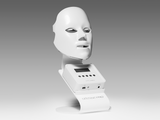
LED light therapy is emerging as a powerful tool in holistic wellness, offering natural support for mood balance and overall well being. By mimicking the qualities of natural daylight, blue or full spectrum light helps stimulate the production of "happy hormones," promoting emotional stability and reducing stress. Regular exposure to these therapeutic wavelengths can leave both the body and mind feeling refreshed and revitalised. Different wavelengths of light, red, blue, green, and near infrared, affect the body and mind in unique ways, supporting mood, energy, and overall well being. Our LED light masks harness these specific wavelengths to deliver targeted wellness benefits: Blue Light Therapy: Enhances alertness and uplifts mood, particularly in the morning, helping to reset the body's internal clock. Red Light Therapy: Promotes relaxation and supports restorative sleep. Green Light Therapy: Encourages a calming effect, helping to reduce stress and soothe the mind.
415nm Blue

Enhances alertness and uplifts mood

630nm Red

Promotes relaxation and restorative sleep

545nm Green

Encourages calming effect, reduces stress

The science behind it

  • Non invasive and gentle, suitable for most skin types with minimal side effects.
  • Blue light enhances alertness and uplifts mood, particularly in the morning.
  • Red light promotes relaxation and supports restorative sleep.
  • Green light encourages a calming effect, helping to reduce stress and soothe the mind.
  • Convenient and easy to use, designed for regular use as part of a wellness routine.
How LED Light Therapy Helps

Best treatment for Mood & Emotional Balance

Sculpta by Deesse PRO
Sculpta

Sculpta by Deesse PRO

£499.00

Uplifting EMS facial treatment with LED mood-support wavelengths.

  • Invigorating facial massage
  • Red LED mood wavelengths
  • RF stimulation
  • Uplifting daily ritual
Express by Deesse PRO
Express

Express by Deesse PRO

£299.00

Portable LED mood support with red and near-infrared light for an uplifting daily ritual.

  • Red light promotes wellbeing
  • Near-infrared for balance
  • Uplifting portable ritual
  • Quick mood boost

Your Recommended Routine

Recommended Mode Multi-mode as needed
Session Length 10-20 minutes
Frequency Daily or as needed
Reassess Results Ongoing wellness practice

Your Journey to Results

1
Week 1-2 Start your routine
2
Week 4 Early improvements
Week 8+ Optimal results
Multi-mode as needed

LED light therapy can help:

  • Support the appearance of clearer, smoother looking skin
  • Reduce the visible look of redness and uneven texture
  • Promote a healthier looking complexion
  • Enhance overall skin radiance and wellbeing
Start Your Routine Free shipping on all orders

Frequently Asked Questions

LED therapy primarily supports skin health, but the ritual of self-care and potential effects of near-infrared light may contribute to overall wellbeing. It's not a treatment for mental health conditions.
Create a calming environment, dim the lights, play soft music, or practise breathing exercises during treatment. Making it a ritual enhances the relaxation benefits.
Yes, LED can support skin repair and reduce inflammation associated with stress. Address the root cause of stress alongside skincare for best results.
This depends on your routine. Evening use can support wind-down; morning use can set a calm tone for the day. Consistency matters more than timing.
The structured activity of LED therapy may help ground you during anxious moments. However, severe anxiety should be addressed with professional support.
Stress releases cortisol which increases inflammation, oil production, and impairs healing. It can trigger breakouts, sensitivity, and worsen existing conditions.
Simplify your routine during high-stress times. Focus on gentle, supportive products and consistent LED therapy rather than introducing new actives.
No, LED therapy is not a mental health treatment. It can be part of a self-care practice but shouldn't replace professional mental health support when needed.

Safety Information

  • LED light therapy is a cosmetic treatment and is not intended to diagnose, treat, cure, or prevent any disease.
  • If you are pregnant, nursing, or have a medical condition, consult your healthcare provider before use.
  • Avoid use if you have a history of photosensitivity or are taking photosensitizing medications.
  • Do not use if you have epilepsy or are prone to seizures.
  • Individual results may vary. Consistency is key for best results.
  • LED therapy is for skin health and self-care, not mental health treatment
  • If experiencing persistent low mood or anxiety, please seek professional support
Photosensitizing medications: If taking medications for mental health conditions, LED therapy is generally safe. Some psychiatric medications may affect photosensitivity; consult your prescriber if unsure.